.jpg)
Dental Solutions in Canton, OH
Bone & Sinus Grafting in Canton, OH
If another dentist told you there isn't enough bone for an implant, that isn't the end of the conversation. When a tooth goes missing, the bone that used to hold its root gradually shrinks because it's no longer being used. Bone grafting rebuilds that lost foundation so a dental implant has something solid to anchor into. Dr. Linser and the team at Legacy Oak Family Dental handle this right here in our Canton office, start to finish.
The upper back jaw comes with an extra consideration. The sinus cavity sits just above that area, which often leaves less room for an implant. A sinus lift solves that by gently raising the sinus floor and adding graft material underneath to build the height an implant needs. Most people who come in convinced they've waited too long still have a real path forward.
Give us a call at (330) 494-3133 and let's find out where you actually stand.
Four Things Worth Knowing Up Front
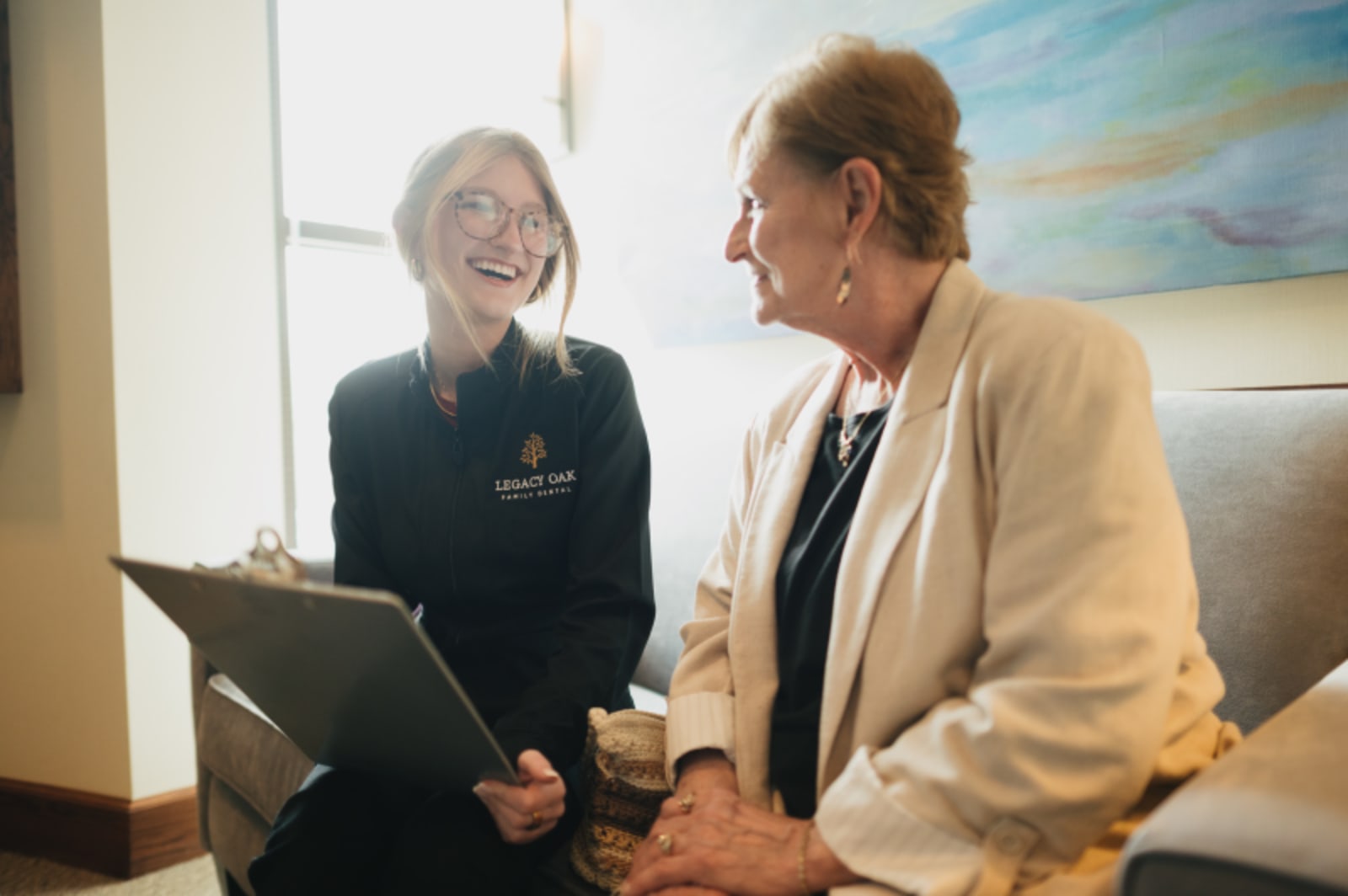
- Imaging decides this, not guesswork. A 3D scan shows us exactly what we're working with before we do anything.
- Grafting is a step, not a detour. One appointment, some healing time, and then you're on your way to a dental implant.
- "Can I be asleep for this?" Yes. Oral conscious sedation is available. Just bring it up at your consultation.
- Cost and Payment Are Part of the Conversation. We walk through both at your consultation so nothing catches you off guard.
How Grafting Works, Step by Step
1. A Consultation and a Real Look at the Bone
We start with an exam and an intraoral camera so you can see exactly what we're looking at. If your case calls for it, we'll take a CBCT scan, a 3D map of your jaw that shows us how much bone is there and what kind of graft makes the most sense.
2. Getting You Comfortable Before Anything Else
We numb the area completely before we do anything. If dental work makes you anxious, just say so. Oral conscious sedation is available and we're happy to plan around it.
3. Placing the Graft
We place the graft material where bone has been lost and cover it with a thin membrane that keeps soft tissue from moving in while new bone grows. For a sinus lift, we gently raise the sinus floor and pack graft material underneath to build the height an implant needs.
4. Healing: Your Body Does the Heavy Lifting
Over the next several months, your own bone cells grow into and around the graft material, building a solid foundation. We'll check in a couple of times to make sure everything is on track.
5. Implant Placement, Once the Site Is Ready
When imaging confirms the bone is solid, we schedule the implant and get moving. Same team, same office, start to finish.
What Grafting Actually Gets You
- An implant becomes possible again. Having enough bone is the difference between "you're not a candidate" and walking out with a permanent tooth replacement.
- Better long-term odds for that implant. An implant placed in thin bone is at real risk of failing down the road. Building that bone up first is what keeps it solid year after year.
- Grafting at the time of an extraction helps your jaw hold its shape. That matters for how natural the final result looks and fits.
- Neighboring teeth stay untouched. With an implant, the healthy teeth on either side don't have to be filed down or reshaped the way they would for a bridge.
- Bigger restorations become an option. That same bone support is what makes implant-supported dentures and All-On-Four possible for patients missing several teeth or a full arch.
- Chewing comes back. The whole point of rebuilding bone is a tooth you can actually bite a steak with.
Who's a Good Candidate?
You don't have to fit a perfect profile to be a candidate. Grafting comes up in a lot of different situations, and most of them are pretty common:
- You had a tooth pulled a while back, maybe months or even years ago, and the bone in that spot has slowly shrunk down. There's just not enough left to hold an implant steady.
- You're having a tooth removed now, and we can place a graft in the same visit to keep that space from collapsing while you heal. (This is called a socket graft, and it saves a lot of time down the road.)
- Gum disease has worn away bone around a tooth or in a larger area, leaving less to work with than an implant needs.
- You're missing an upper back tooth and the sinus cavity sits too close to the ridge, so there isn't enough room for an implant without first building some height underneath it.
Getting Ready and Caring for It Afterward
A little prep before the appointment goes a long way. Here's what helps:
- Let us know about any medications or supplements you're taking, including blood thinners, since those can affect healing.
- Stock up on soft foods before the day: yogurt, mashed potatoes, smoothies. You'll thank yourself later.
- If you smoke, this is a good time to take a break. Smoking is one of the biggest things that can slow a graft from healing well.
Once it's done, your job is mostly just to leave the area alone. Here's what that looks like:
- Skip hard rinsing, spitting, and straws for the first few days. That suction can pull at the graft before it's had a chance to settle.
- Stick to soft, cool foods and chew on the opposite side. Use a cold compress the first day and take any prescribed medication as directed.
- If you had a sinus lift, avoid blowing your nose or heavy lifting until we give you the all-clear. If a sneeze is coming, let it out through your mouth. It protects the sinus membrane while it heals.
Pricing, Insurance, and What to Expect
There's no single price for grafting, because every case is different. The cost depends on things like how much bone is missing, whether you need a socket graft or a sinus lift, and whether the graft is part of a bigger dental implant plan. You'll get a written estimate at your consultation, before you agree to anything, so you know exactly what you're looking at.
We're a fee-for-service practice, which means we're not tied to insurance network contracts. We plan your treatment around what your mouth actually needs, not what an insurance company prefers. If you have dental or medical benefits, we're happy to help you figure out what your plan might cover. Just know that grafting coverage varies, so it's worth a quick call to your carrier to confirm. We'll walk through payment options with you at the consultation too, so the money side is figured out before anything gets scheduled.
Why Patients Choose Legacy Oak for Grafting
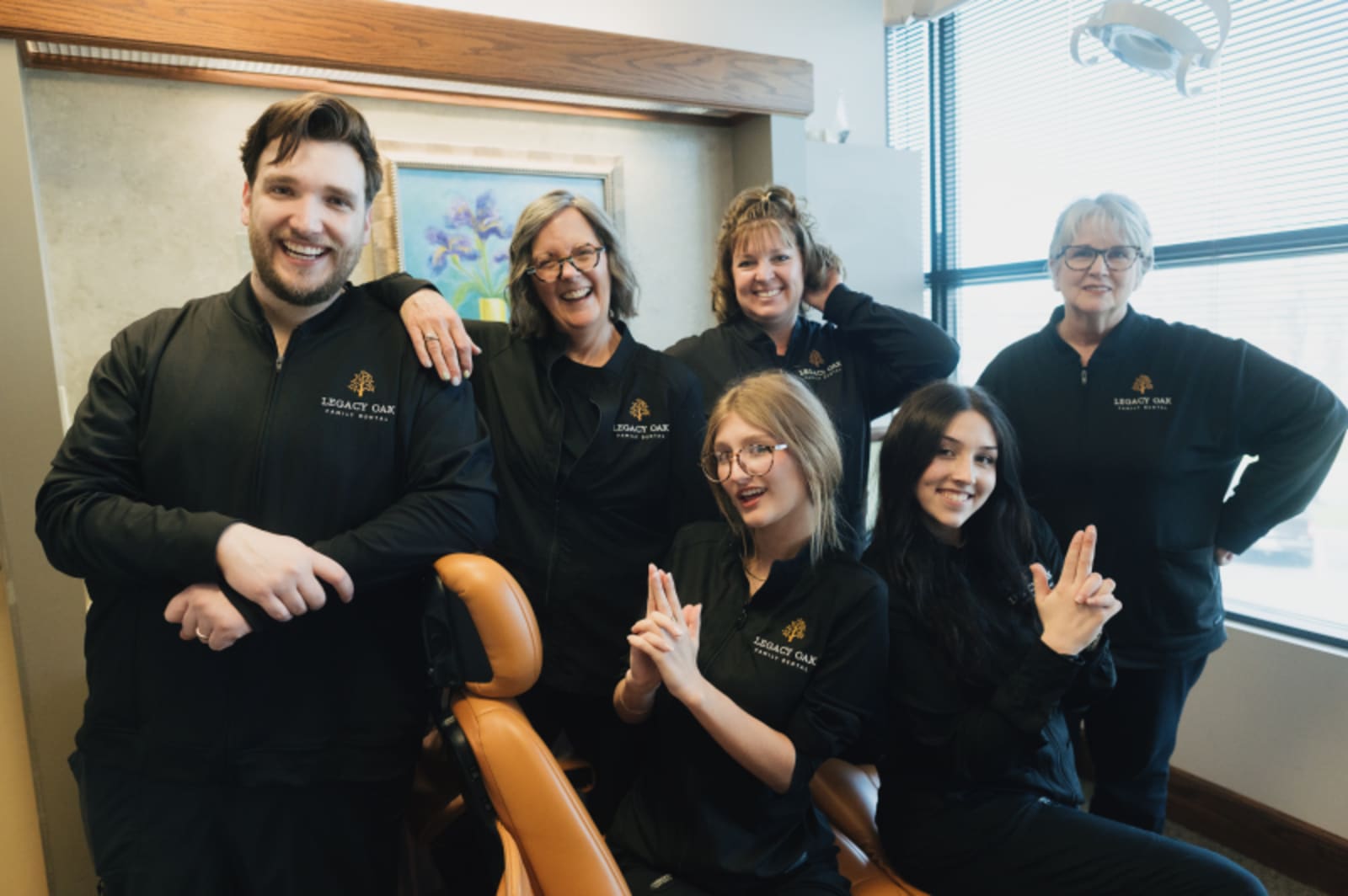
Dr. Linser doesn't just place grafts and hand you off. He trained at Cleveland State University and The Ohio State University College of Dentistry, and he approaches every case with the final implant result already in mind. From your first scan to the day your implant is placed, he's the one guiding the plan, making sure each step sets the next one up right.
- Everything happens in one Canton office. No referrals, no re-explaining your history to a new provider, no waiting on records to transfer.
- You can see exactly what Dr. Linser sees. Every room has an intraoral camera, and we use 3D imaging and a digital scanner so nothing is left to guesswork.
- Questions get real answers. If you want to know why we're recommending something, just ask. You'll get a straight answer every time.
And then there's the part that never shows up on an equipment list. This is a genuinely happy office. The staff like being here, there's real laughter, and most patients pick up on it within the first ten minutes.
Frequently Asked Questions
Does a Bone Graft Hurt?
The procedure itself is completely numb, so you won't feel pain while we're working. Soreness afterward is normal and feels similar to a tooth extraction, usually peaking around day two or three and improving quickly from there.
Does the Graft Material Become My Own Bone?
The graft material acts as a scaffold. Your own bone cells grow in and around it over time, rebuilding the area into something solid enough to hold an implant. If we use bone from another part of your own body, that tissue is already living from day one.
Can the Graft and the Implant Happen at the Same Appointment?
Sometimes, yes. If there is enough existing bone to keep the implant stable, we can place both in the same visit. If not, the graft heals first and your 3D imaging tells us exactly which path makes sense for you.
What Happens If I Skip the Graft and Just Place the Implant Anyway?
An implant placed in thin bone is likely to fail, which means removing it, doing the graft, and starting over. Doing it in the right order from the start saves you time and money.
Is a Sinus Lift Risky?
Sinus lifts are a well-established procedure with a strong track record. The most common complication is a small nick in the sinus membrane, which can typically be repaired during the same appointment. Reviewing your imaging beforehand means we go in knowing exactly what to expect.
How Long Does a Graft Last?
Once an implant is in place and in use, the bone around it stays active and healthy. Routine checkups and good home care keep it that way long-term.
Let's Find Out What Your Jaw Can Support
No two mouths are exactly alike, and the only way to know what's possible for yours is to take a look together. We'll take imaging, walk you through what we see, give you a written estimate, and make sure you have a clear plan before anything gets scheduled. No pressure, no surprises. We'll figure it out together.
We're at 4774 Munson St NW, Suite 201 in Canton. Give us a call at (330) 494-3133 and we'd love to meet you.